Educational and independent — not medical advice, and no one paid for any conclusion on this page.
Gyno or chest fat? How to actually tell
A practical guide to the pinch test, the firmness test, and what each one is actually telling you.
The short answer
Pinch the tissue directly behind your nipple. True gynecomastia feels like a firm, rubbery disc with a defined edge — usually 1–2 cm or larger — while chest fat feels soft and even all the way through, with no distinct lump. Roughly one in three men have true gland at some point; the pinch test is how you start telling which one you're dealing with.
From the outside, a chest shaped by gland and a chest shaped by fat can look identical. In the mirror, under a shirt, in every photo — the same. Underneath, they are two different problems with two different answers, and almost everything a man decides next depends on which one he is actually carrying. Here is how to tell, honestly, including the limits of telling at all.
The pinch test, step by step
You are checking for one thing: is there a distinct, firm disc directly behind the nipple, or is the tissue soft and even all the way through?
- Lie down or lean back slightly — it relaxes the chest and makes the difference easier to feel.
- With your thumb and forefinger on opposite sides of the areola, press gently down and slowly bring them together, as if trying to make them meet behind the nipple.
- Fat lets your fingers sink and slide toward each other with an even, soft give — nothing interrupts the pinch.
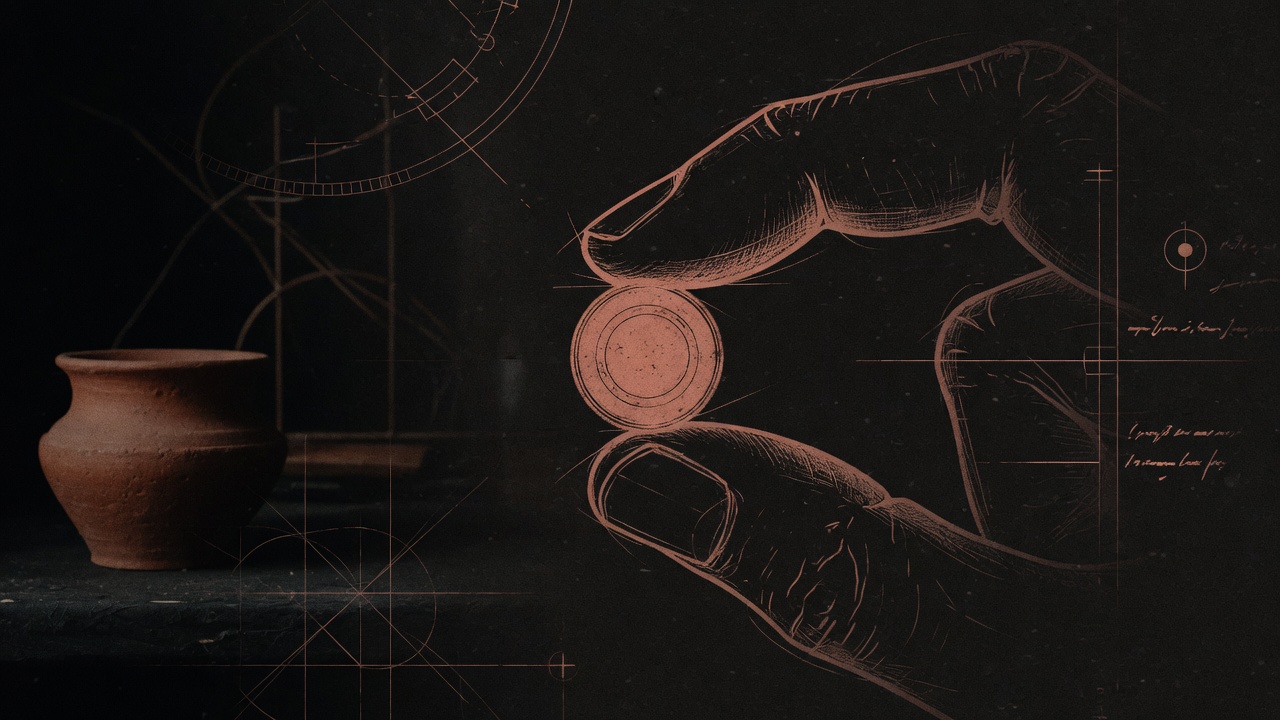
- Gland stops the pinch: a firm, rubbery, slightly mobile disc, usually with a defined edge, often 1–2 cm or larger. Many men describe it as a flattened marble or a small stack of coins under the nipple.
- Check both sides. Gland is often asymmetric — bigger or firmer on one side — while fat tends to be symmetric.
Tenderness when you press is common with gland, especially when it grew recently, and means nothing sinister on its own.
What each answer means
A firm disc can be consistent with glandular tissue, but a clinician should assess it rather than a self-test or photo being treated as a diagnosis. Training or leaning out does not remove established glandular tissue. Diet and gym can change fat and muscle around it — and that can be genuinely worth doing — while excision is the surgical route that directly removes glandular tissue. Plenty of lean men still have visible gynecomastia; leaning out can make it more apparent rather than removing it.
↳ Next step
Get an instant photo readUpload one photo and get a private read — gland, fat, or mixed — in about a minute. Anonymous, blurred on your device, an educational estimate rather than a diagnosis.
Soft and even all through means pseudogynecomastia — chest fat distributed in a breast-like pattern. This is the version the gym can actually fix, because it behaves like fat everywhere else on your body: it comes off with overall fat loss (never with chest exercises alone — spot reduction is a myth that sells programs).
And very often the honest answer is both. A real gland wrapped in a real layer of fat is the most common presentation of all, which is why so many men lose fifteen pounds, watch their chest improve, and stall at "better, but still there." The fat share responded; the gland share never will.
Where self-checking ends
The pinch test is a good first read and a bad final verdict. Deep or small glands can hide from your fingers; scar-like firmness after years can confuse them; and anxiety makes everything feel like a lump at 1am. A clinician usually resolves the question in minutes by examination — occasionally with an ultrasound — and that appointment is shorter and cheaper than another year of wondering.
One caution worth repeating from the main guide: a hard, fixed, irregular lump, one-sided changes with discharge or skin dimpling, deserve prompt examination — not to alarm you, but because ruling out the rare serious cause is fast.
The mirror shows you the shape. Only the pinch — and eventually a clinician — shows you the substance.
Mapping what you found to what happens next
If it reads as fat: body composition is the path, and it genuinely works. If it reads as gland and it appeared recently — months, not years — a doctor's visit is worth it now, because hormonal causes are most treatable early. If it reads as gland and it has been stable for years: it is almost certainly permanent, the gym will sculpt around it but not remove it, and your real decision is whether it bothers you enough for a surgeon who excises gland — a question our surgeon guide and shortlist were built for.
↳ Common questions
What are the symptoms of gynecomastia?
The hallmark is a firm, sometimes tender, rubbery disc of tissue directly beneath one or both nipples — distinct from soft, diffuse chest fat. Some men also notice nipple sensitivity or puffiness. Tenderness is common early on and usually settles over time.
How do I know if it's gyno or just chest fat?
Pinch the tissue right behind the nipple. Glandular gynecomastia feels like a firm, mobile disc with a defined edge; fat feels soft and even, with no distinct lump. If you can't tell, that's normal — a clinician can confirm in minutes, often by feel alone.
Can chest fat look exactly like gynecomastia?
Yes — it's called pseudogynecomastia, and from the outside the two can look identical. The difference is what's underneath, which is why the pinch and firmness tests matter: they tell you whether losing weight could help, or whether you're dealing with glandular tissue that won't shrink.
↳ Next step
Get an instant photo readUpload one photo and get a private read — gland, fat, or mixed — in about a minute. Anonymous, blurred on your device, an educational estimate rather than a diagnosis.
↳ See it on real men
Cases that fit what you just readUnderstanding
What is gynecomastia? A plain-language explanation.
It's a real medical condition affecting roughly one in three men at some point. Here's what it actually is — and what it isn't.
Understanding
Steroid-induced gynecomastia, explained without judgment
What's actually happening biochemically, why it's so common, and what your real options are now.